Sharmila Vaidyanathan
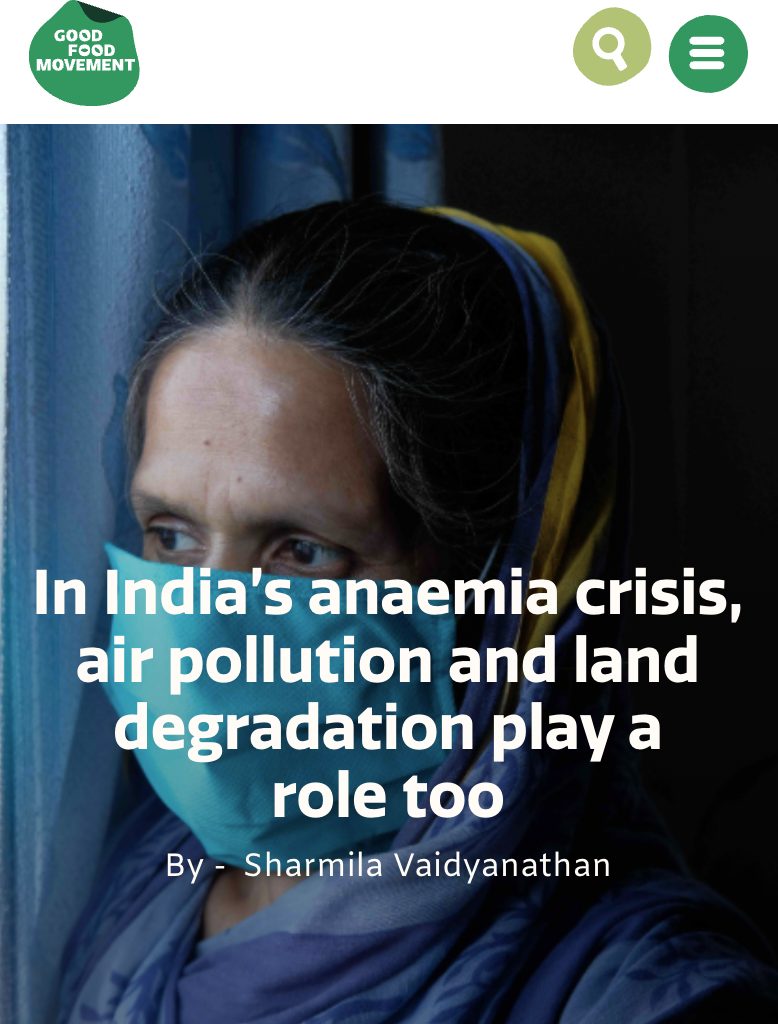
In India’s anaemia crisis, air pollution and land degradation play a role too
Interventions focused only on dietary supplements miss the environmental factors, from air pollution to degraded land and poor sanitation, that shape anaemia in India.
Sharmila Vaidyanathan is a freelance writer based in Bangalore, India. She explores food entrepreneurship, sustainability, health and environmental conservation through her writing.
Her work has appeared in Mongabay India, Nikkei Asia, The Hindu, Goya, Nature inFocus, Hakai Magazine, Whetstone, Mold, The News Minute, Scroll, Deccan Herald, and others.
In 2020, she presented a paper on asafoetida’s culinary and cultural implications at the Oxford Food Symposium. She was among the 15 journalists globally to win the Earth Journalism Network’s Biodiversity Grant in 2022 (details here). She is also a member of the Oxford Climate Journalism Network (details here) and a recipient of the Rukhmabai Fellowship.
Email Sharmila More about her work See her portfolio Read her Substack

Interventions focused only on dietary supplements miss the environmental factors, from air pollution to degraded land and poor sanitation, that shape anaemia in India.
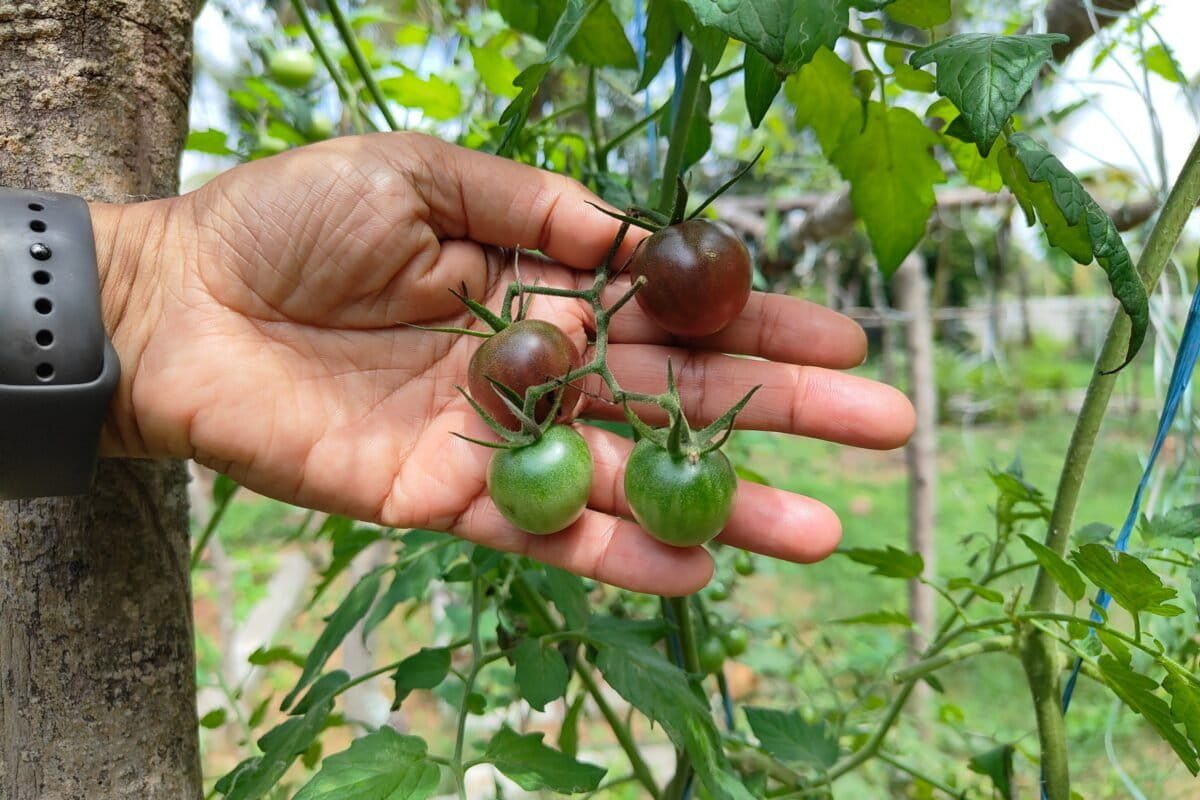
Vegetable biodiversity matters for nutrition and climate resilience, but diet homogenisation and land-use change are pushing many varieties off our plates.
India’s forests provide large economic and livelihood benefits that market-based assessments often miss, especially for communities that depend on them.
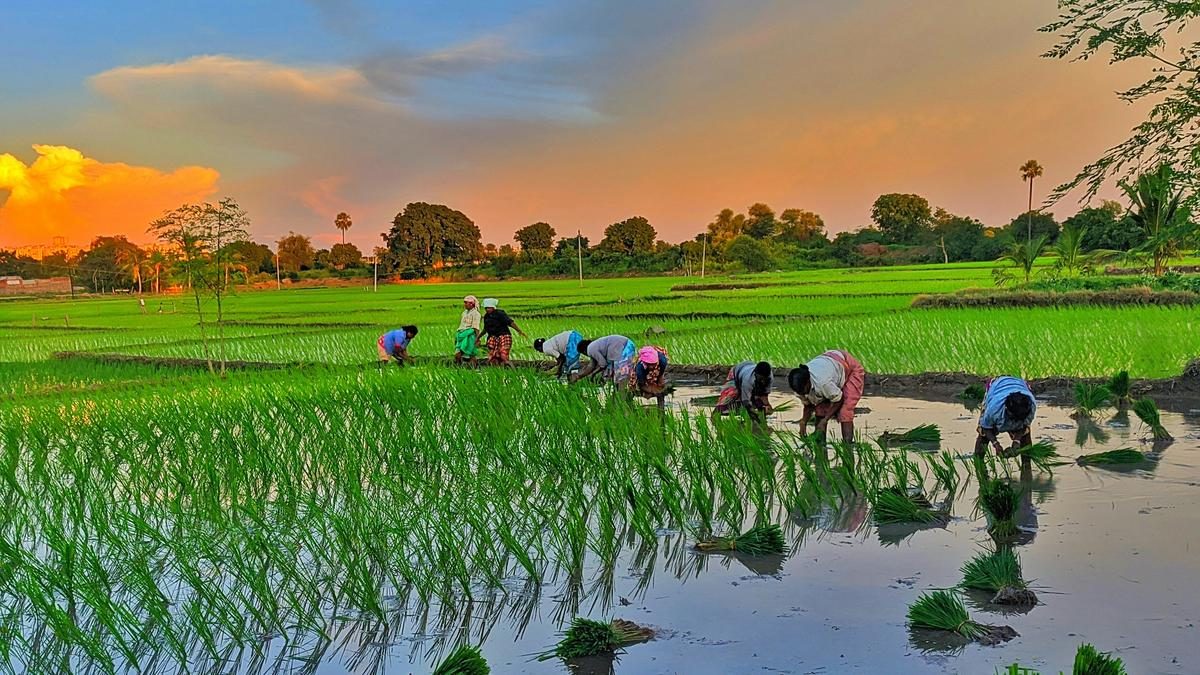
Greenhouse gas emissions from paddy fields worldwide have doubled since the 1960s, and India’s irrigated rice fields are now among the biggest methane sources, a new…
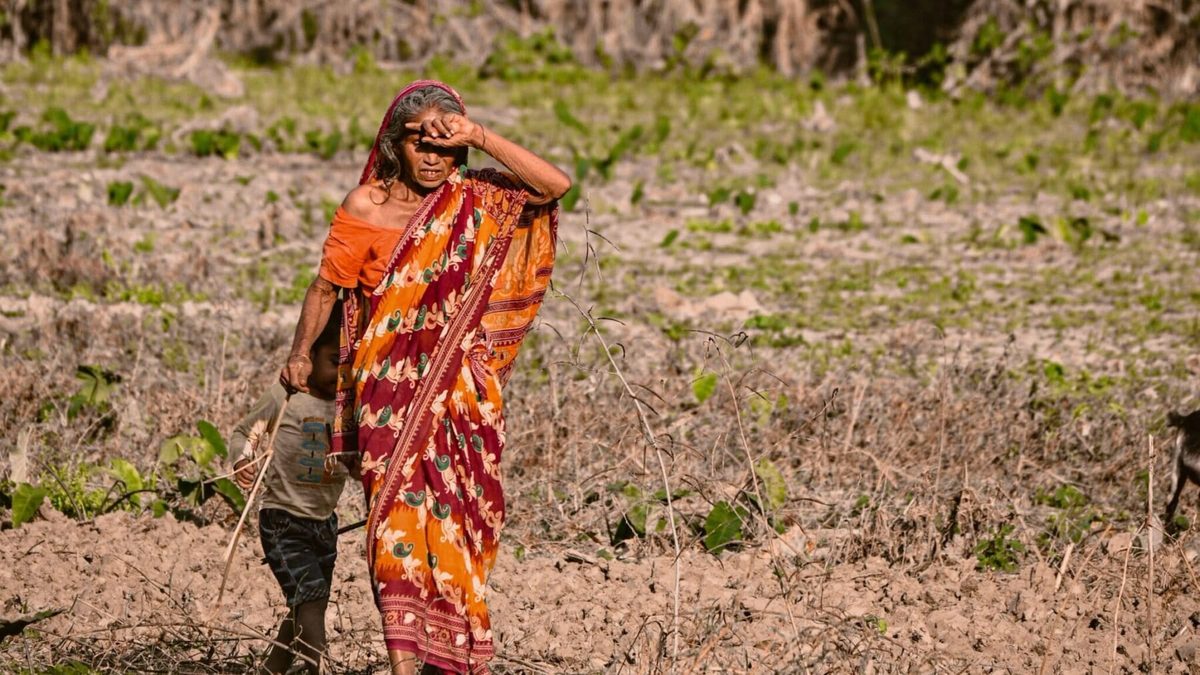
A new UN Women paper shows how heat stress affects people differently by age and gender, and calls for heat plans that reflect it.
Drought-stressed soil concentrates natural antibiotics and speeds up the evolution of resistant bacteria, a Caltech study finds, with implications for India.
Heatwaves in rivers are becoming more intense and frequent worldwide, and models suggest much of the Ganges could face year-round heatwaves by 2100.